
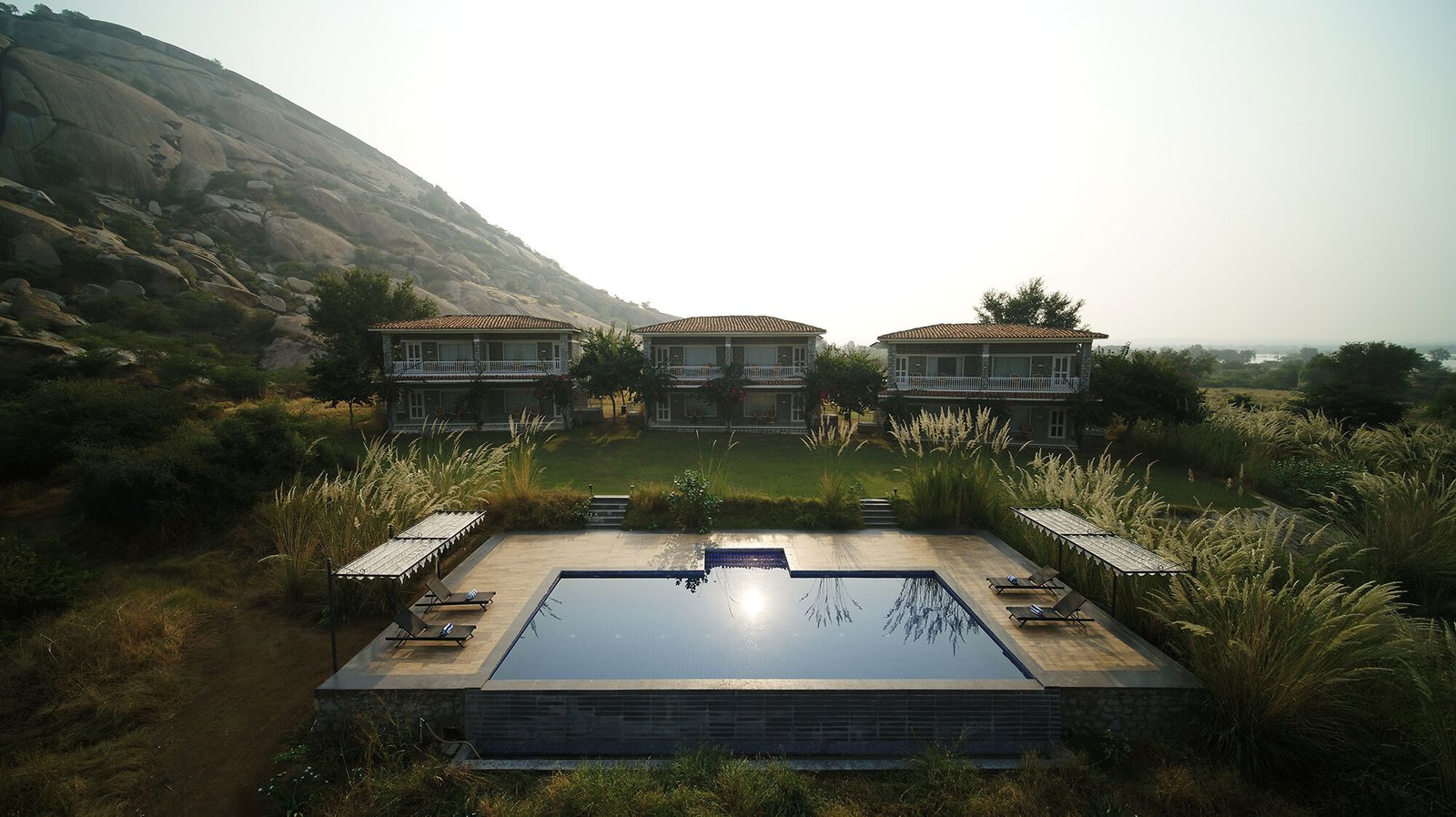
When travelers imagine a wildlife getaway in India, thoughts often turn to dense tiger reserves or expansive national parks. However, nestled among the dramatic granite formations of Rajasthan lies a landscape unlike any other: Jawai. Famous for its rugged kopjes, the backwaters of Jawai Bandh, and a thriving population of wild leopards living in remarkable harmony with local pastoral communities, Jawai offers an intimate and authentic wilderness escape. For travelers deciding where to stay when exploring this terrain, staying at a boutique property like The Jawai Sagar elevates the entire journey. But is a specialized resort stay genuinely the best option for a wilderness getaway? Exploring how accommodation choices impact wildlife tracking, comfort, and cultural immersion reveals why modern eco-conscious travelers prefer this curated approach.
The Unique Ecosystem of Jawai: Where Wildlife Meets Culture
Unlike gated national parks with rigid entry zones and paved roads, Jawai is an open habitat. Here, wild leopards roam freely across prehistoric granite hills, sheltering in natural caves just minutes away from human settlements. What makes this region globally unique is the centuries-old peaceful coexistence between the big cats and the indigenous Rabari shepherd community. The Rabari people revere the leopards as sacred guardians of the land, creating a rare sanctuary where humans and predators share space without conflict.
Beyond the big cats, the ecosystem surrounding Jawai Dam attracts over 100 species of migratory and resident birds, including flamingos, sarus cranes, and bar-headed geese during the winter months. Mugger crocodiles bask on the sandy shores of the reservoir, while striped hyenas, jackals, and nilgai roam the surrounding scrub forests. Navigating such an unstructured, open terrain requires local experience, deep ecological familiarity, and a comfortable retreat to relax in between open-top tracker drives.
Why Choosing a Premium Stay Elevates Your Safari Experience
Opting for a dedicated sanctuary resort provides a balanced blend of rustic nature and modern comfort. The rugged topography of Pali district can be demanding during day trips under the desert sun. Returning to a serene property featuring shaded gardens, authentic Rajasthani hospitality, and well-designed private spaces transforms a standard trip into a holistic wellness retreat.
Selecting a luxury resort in Jawai ensures you are strategically positioned near key safari tracking trails and the scenic backwaters of the dam. Rather than commuting long distances from distant towns, guests at properties like The Jawai Sagar can step right from their rooms into the heart of the landscape, catching early morning light on the granite hills when animal activity peaks.
Architectural Comfort: Immersive Living in the Wild
A common misconception about wilderness stays is that guests must compromise on comfort to feel close to nature. Contemporary hospitality in Jawai disproves this by integrating modern architecture with raw surrounding landscapes. Elevated rooms, wide glass panels, and private outdoor sit-outs allow guests to observe the natural beauty of the Aravalli foothills right from their private quarters.
For instance, staying in a paradise view Room with balcony in Jawai offers panoramic vistas over the granite hills and serene dam backwaters. Watching a sunset paint the rock faces in shades of crimson and gold while sipping local spiced tea provides an immersive connection to the terrain without sacrificing luxury or privacy.
Wildlife Tracking and Responsible Tourism
Wilderness stays are defined by the quality of outdoor exploration. In Jawai, safaris are conducted in customized open 4×4 jeeps driven by experienced local trackers who have spent decades reading animal prints, alarm calls, and territorial markings. Unlike overcrowded tiger reserves with fixed track constraints, private resort safaris offer flexible routes tailored to real-time wildlife movement.
Booking a guided Jawai Leopard & Wildlife safari through a dedicated resort grants access to expert naturalists who ensure ethical tracking practices. Responsible trackers maintain respectful distances from the animals, avoid disturbing cave dens, and actively support community conservation efforts that protect the region’s wildlife heritage.
Experiencing Local Heritage and Authentic Hospitality
A stay in Jawai is incomplete without engaging with the vibrant local culture. Premier resorts integrate cultural immersion into the guest experience, organizing guided village walks to meet Rabari elders, visit traditional homes, and understand the cultural folklore surrounding the big cats.
Culinary offerings at properties like The Jawai Sagar feature authentic Rajasthani recipes alongside international dishes, prepared using fresh, locally sourced ingredients. Al fresco dining under a canopy of clear desert stars, accompanied by traditional folk music, creates memories that linger long after the safari ends.
Practical Tips for Planning Your Jawai Retreat
To make the most of a wilderness getaway in Jawai, consider the following travel recommendations:
- Best Time to Visit: October to March offers pleasant weather with comfortable safari conditions and excellent birdwatching opportunities as migratory species arrive at Jawai Dam.
- Ideal Stay Duration: Plan for a 2-to-3-night itinerary to complete multiple safari drives, explore sunset viewpoints, and enjoy a relaxed pace.
- Safari Preparation: Wear neutral-toned clothing (khaki, olive, beige) for jeep tracking, carry binoculars for birdwatching, and pack warm layers for early morning and evening open-air drives.
- Camera Gear: A telephoto lens (300mm or higher) is ideal for capturing leopards resting on high granite boulders and waterbirds across the reservoir.
Choosing a resort in Jawai provides the perfect balance of adventure, comfort, and expert guidance. By pairing luxury accommodation with ethical wildlife tracking and rich cultural encounters, travelers experience one of India’s most extraordinary ecosystems at its very best.