
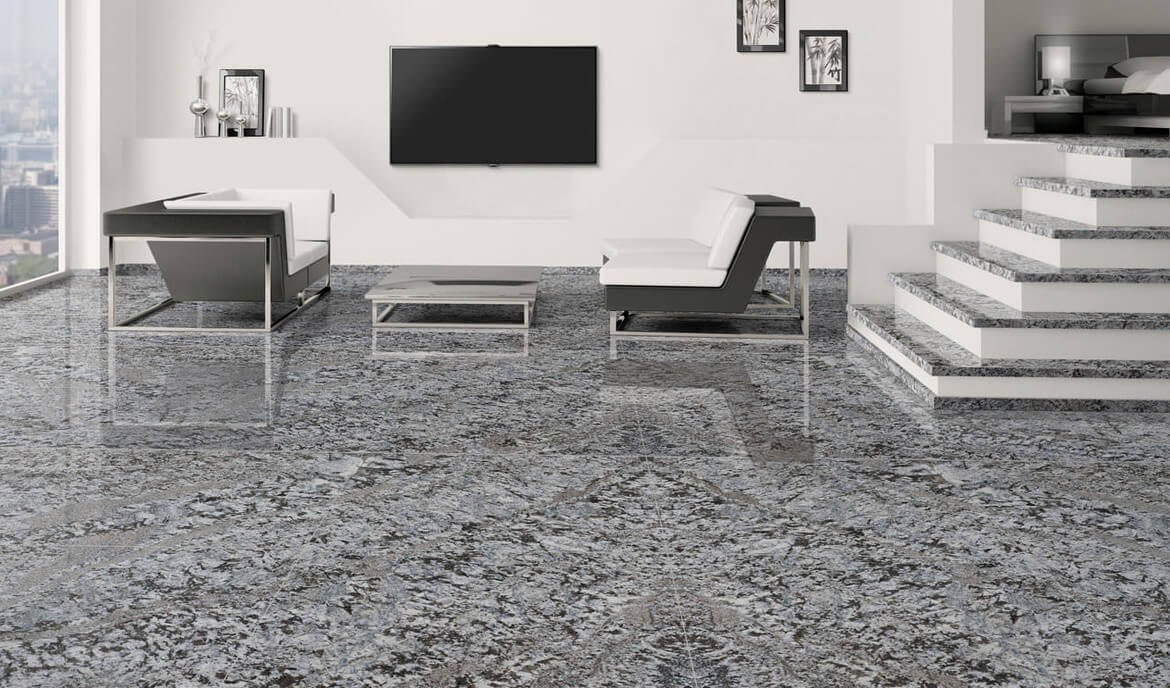
Natural stones define the character, longevity, and overall value of a residential space. Choosing between marble and granite often stands as the most critical decision for homeowners, interior designers, and architects. Both stones offer distinct geological origins, aesthetic appeals, functional attributes, and maintenance demands. Understanding the structural properties of each material ensures you choose the ideal surface for every room in your home.
The Core Difference Between Marble and Granite
Natural stones differ fundamentally in their geological formation, which dictates their performance in everyday domestic environments.
Marble is a metamorphic rock formed when limestone undergoes intense heat and pressure over millions of years. This process recrystallizes the carbonate minerals, producing characteristic flowing veining and a softer crystalline structure. Because it consists primarily of calcium carbonate, marble reacts to acidic substances and has a softer physical profile.
Granite is an igneous rock formed deep beneath the earth’s crust from the slow cooling and solidification of molten magma. Composed primarily of quartz, feldspar, and mica, granite features a tightly interlocking granular structure. This composition renders granite exceptionally dense, scratch-resistant, and heat-tolerant.
Working with an established marble exporter in India provides access to premium calcitic and dolomitic stones quarried with strict quality grading standards. Similarly, sourcing high-grade igneous slabs through a certified granite exporter in India guarantees structural density and uniform mineral distribution suited for heavy architectural applications.
Performance and Durability Comparison
When evaluating long-term performance, durability involves hardness, scratch resistance, heat tolerance, and chemical resilience.
Scratch and Impact Resistance
On the Mohs scale of mineral hardness, granite typically rates between 6 and 7, while marble generally ranks between 3 and 4. Granite resists abrasions caused by metal utensils, kitchen tools, and heavy foot traffic. Marble is significantly softer and susceptible to surface abrasions, micro-scratches, and gouges under intense daily wear.
Heat and Stain Resistance
Granite tolerates extreme temperatures effortlessly. Hot cookware placed directly onto a granite countertop will not melt, scorch, or crack the stone under normal circumstances. Marble handles moderate heat well but remains vulnerable to thermal shock.
Porosity plays a pivotal role in staining. While both materials require periodic sealing, marble absorbs liquids much faster than granite. Unsealed marble quickly absorbs wine, oils, and pigmented juices, resulting in deep-set discoloration beneath the polished surface.
Chemical Sensitivity and Etching
The calcium carbonate composition of marble reacts instantly when exposed to acids such as lemon juice, vinegar, tomato sauce, or harsh chemical cleaners. This reaction strips the polish and causes dull chemical burns known as etching. Granite contains zero calcium carbonate and remains completely unaffected by acidic kitchen liquids.
Visual Appeal and Design Versatility
The aesthetic contribution of natural stone is unmatched by synthetic alternatives.
Marble offers an organic, fluid elegance that has symbolized luxury across centuries of classical and contemporary architecture. The continuous, sweeping veins and soft background tones create bright, light-reflective spaces that expand room perception. Marble suits classical interiors, minimalist modern designs, and spa-inspired residential spaces.
Granite provides a bolder, granular visual texture. Available in a vast palette ranging from deep blacks and emerald greens to shimmering golds and cool grays, granite introduces rich visual depth. Its speckled composition naturally camouflages dust, water spots, and minor surface debris better than the clean, light face of marble.
Best Residential Applications for Each Stone
Selecting the right material depends on the functional demands of specific living zones.
Kitchen Countertops and Islands
Granite is the superior choice for active kitchen countertops. Its resistance to heat, sharp blades, and acidic spills ensures a pristine surface with minimal everyday worry. Marble can be used in kitchens for dedicated baking stations or low-impact kitchen zones, provided the homeowner embraces the natural aging and developing patina of the stone.
Bathrooms and Vanities
Marble excels in bathroom environments. Master vanities, shower surrounds, wall cladding, and tub decks benefit from the serene, luxurious ambiance marble delivers. Because bathroom spills typically consist of mild soaps and water rather than harsh acids, marble maintains its luster with routine sealing.
Flooring and Wall Cladding
Granite flooring handles high-traffic zones like entryways, hallways, and outdoor patios without displaying wear. Marble flooring brings unmatched sophistication to formal living rooms, dining spaces, and master suites, creating bright spaces with refined visual continuity.
Fireplace Surrounds and Statement Features
Both stones perform exceptionally well around fireplaces and vertical accent walls. Marble delivers dramatic visual contrast through book-matched vertical slabs, while dark, polished granite creates a sleek, grounding focal element.
Maintenance and Long-Term Care
Natural stones require systematic maintenance to preserve their structural integrity and finish.
Granite requires minimal upkeep. Applying a penetrating impregnating sealer once every one to two years creates an effective barrier against oil and water infiltration. Daily cleaning requires only warm water and a pH-neutral cleaner.
Marble demands dedicated care. A high-grade penetrating sealer must be applied every six to twelve months. Prompt cleanup of spills is mandatory to avoid etching. Abrasive scouring pads and acidic or bleach-based household cleaners must be avoided entirely.
Making the Final Decision
The choice between marble and granite balances aesthetic preferences against practical lifestyle requirements. Choose granite if your priority centers on extreme durability, effortless maintenance, and heavy daily utility in busy areas. Choose marble if your objective is timeless classical luxury, soft veined aesthetics, and statement elegance in spaces where you can provide attentive ongoing care. Sourcing directly from reputable processors like Galaxy Exports ensures that whichever stone you select, the raw material delivers superior density, authentic grading, and lasting architectural value.