
Laser skin resurfacing has transformed modern aesthetic medicine, offering targeted solutions for concerns ranging from fine lines and sun damage to deep acne scars and vascular flushing. When exploring energy-based skin rejuvenation, the most critical decision involves choosing between two fundamental technologies: ablative and non-ablative lasers. Both modalities deliver controlled thermal energy to stimulate collagen production and remodel skin architecture, but they interact with the skin barrier in distinctly different ways.
Understanding how these technologies work, their respective healing timelines, and their clinical indications will help you determine which approach aligns with your specific skin goals and lifestyle.
Understanding the Difference: Mechanism of Action
The primary distinction between ablative and non-ablative devices lies in whether the epidermis—the skin’s outermost protective layer—is vaporized or kept intact during treatment.
Ablative Laser Resurfacing
Ablative lasers (such as traditional CO2 and Erbium:YAG devices) emit high-energy wavelengths targeting water molecules within tissue. This rapid absorption vaporizes microscopic columns or full layers of damaged outer skin while simultaneously delivering intense heat to the deeper dermis.
By physically removing the compromised surface tissue, ablative treatments trigger an aggressive wound-healing response. This process stimulates rapid re-epithelialization and long-term neocollagenesis (new collagen synthesis), delivering dramatic improvements in skin tightness, deep-set wrinkles, and severe textural irregularities in as few as one to two sessions.
Non-Ablative Laser Treatments
Non-ablative lasers (such as fractional 1470nm or 1927nm wavelengths like MOXI™ and vascular lasers like ClearV™) bypass the stratum corneum without vaporizing surface tissue. Instead, these lasers deliver controlled thermal injury directly into the sub-surface dermal layer.
Because the skin’s surface barrier remains unbroken, recovery is significantly faster. Non-ablative energy stimulates natural collagen and elastin remodeling from the inside out, making it an exceptional modality for early signs of aging, superficial pigmentation, and overall skin maintenance.
Comparing Downtime, Recovery, and Results
Your tolerance for social downtime is often the deciding factor between ablative and non-ablative approaches.
- Ablative Recovery: Because the outer skin barrier is removed, post-treatment recovery requires dedicated wound care. Patients typically experience raw, red, and weeping skin for 5 to 10 days, followed by residual redness that fades over several weeks. Strict sun avoidance and specialized barrier ointments are required during re-epithelialization.
- Non-Ablative Recovery: Non-ablative protocols involve mild erythema (redness) and slight swelling resembling a moderate sunburn for 24 to 48 hours. Over the subsequent 3 to 5 days, microscopic epidermal necrotic debris (MENDs) may form a slight sandpapery texture before gently sloughing off. Normal daily activities and mineral makeup can often be resumed within 24 hours.
- Session Frequency: Ablative lasers produce dramatic, multi-year transformations from a single session, whereas non-ablative treatments are typically performed in a series of 3 to 5 sessions spaced several weeks apart to achieve optimal cumulative outcomes.
Which Laser Modality Fits Your Specific Skin Concern?
Deep Wrinkles, Structural Laxity, and Severe Scars
For etched facial lines (perioral lip lines, deep forehead furrows), significant skin laxity, or severe atrophic acne scarring, ablative resurfacing remains the gold standard. The substantial thermal contraction tightens the tissue while the regenerative cycle rebuilds smooth skin over deeper dermal indentations.
Pigmentation, Pore Refinement, and Early Aging
If your primary goals are clarifying sun spots, evening out tone, smoothing mild texture, and maintaining skin firmness with minimal disruption to your schedule, non-ablative options are ideal. Fractional non-ablative passes refresh dull complexions and stimulate ongoing collagen synthesis over time.
Vascular Concerns and Persistent Redness
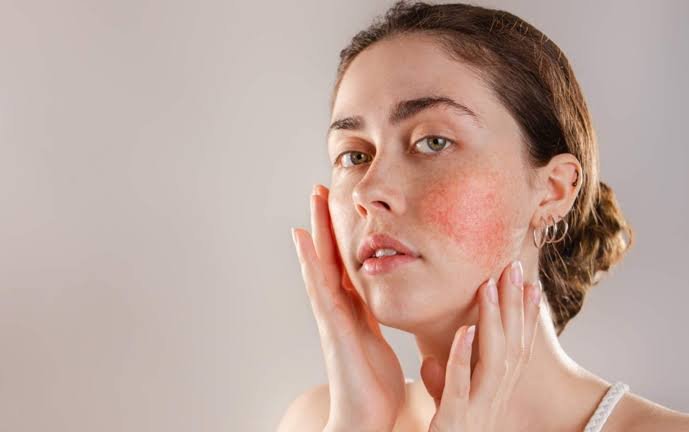
Erythema, broken capillaries, and flushing require light and laser technologies calibrated specifically to target hemoglobin rather than water. Patients struggling with rosacea or persistent flushing benefit most from specialized vascular protocols, such as a Diffuse Facial Redness treatment in Sugar Land, which gently collapses superficial vessels to restore a calm, uniform complexion without abrading the skin surface.
The Hybrid Solution: Bridging the Gap
Recent innovations in aesthetic technology, such as the HALO® hybrid fractional laser, combine ablative and non-ablative wavelengths in a single pass. This allows practitioners to ablate microscopic channels on the surface for texture renewal while simultaneously heating the deep dermis for structural tightening—delivering dramatic resurfacing results with significantly less downtime than fully ablative treatments.
Key Considerations for Safe, Effective Treatment
- Fitzpatrick Skin Type: Darker skin tones require meticulous wavelength selection and conservative thermal settings to avoid post-inflammatory hyperpigmentation (PIH). Non-ablative modalities are generally safer across diverse skin tones.
- Pre-Treatment Preparation: Discontinuing photosensitizing active ingredients (like retinoids and chemical exfoliants) and optimizing the skin barrier prior to treatment minimizes complications and speeds healing.
- Post-Care Compliance: Broad-spectrum SPF 30+ physical sunscreen and gentle hydration are essential post-treatment to protect vulnerable skin cells and maintain results.
Selecting the right technology requires an in-depth clinical evaluation of your skin’s biological characteristics, Fitzpatrick phototype, and lifestyle parameters. Consulting experienced medical providers for an advanced laser treatment in Sugar land ensures your resurfacing protocol is customized for optimal safety and long-lasting aesthetic rejuvenation.