
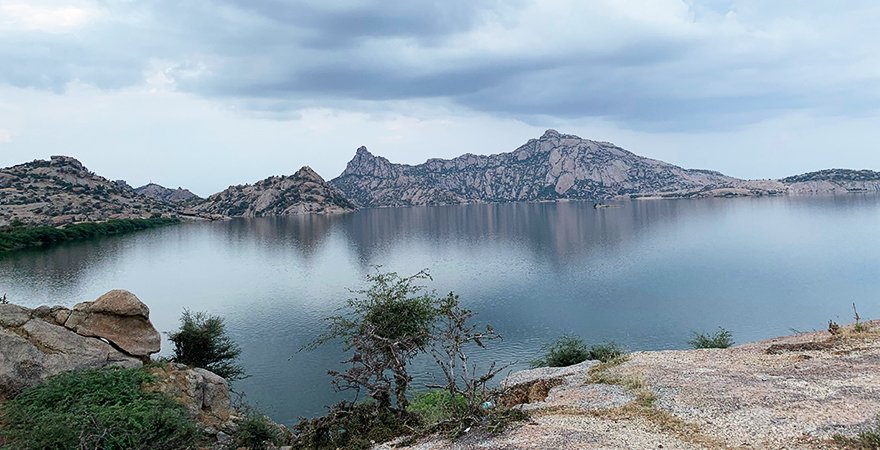
Jawai, Rajasthan, has rapidly emerged as one of India’s most compelling wildlife destinations. Unlike the dense, sprawling jungles of central India, Jawai presents a dramatic landscape of ancient, wind-sculpted granite hills, pristine reservoirs, and thorny scrubland. It is a place where wild leopards roam freely among human settlements, creating a unique ecosystem built on mutual respect. However, because the landscape is so exposed and the climate is distinctly semi-arid, timing your visit is crucial to getting the most out of your wilderness experience.
Planning a trip around the local weather patterns ensures you catch the wildlife at its most active while enjoying a comfortable stay. If you are seeking a premier experience, booking a stay at a luxury resort in jawai provides the perfect basecamp, blending rugged wilderness exploration with high-end comfort. Below, we break down the distinct seasons of this region to help you choose the perfect months for your adventure.
The Peak Season: November to February (Winter Comfort)
The winter months represent the undisputed peak season for wildlife enthusiasts visiting Rajasthan. As the scorching summer heat recedes, the daytime temperatures drop to a highly pleasant range of 15°C to 25°C, while the nights can become quite crisp, occasionally dipping below 10°C.
Why Winter is Ideal for Safaris
- Active Wildlife: Leopards are ectothermic regulators when it comes to behavior; they love basking in the winter sun. During these months, you will frequently spot them lounging openly on top of the massive granite rocks during the morning and late afternoon hours.
- Migratory Birds: The Jawai Dam becomes a bustling haven for migratory birds during winter. Thousands of flamingos, cranes, and geese arrive from cooler northern climates, offering a spectacular view for birdwatchers alongside the usual crocodile sightings.
- Comfortable Tracking: Early morning and evening safaris are incredibly comfortable. The cool breeze makes spending hours in an open 4×4 vehicle an absolute pleasure.
The Shoulder Season: March to May (The Photographer’s Choice)
As spring transitions into summer, the landscape undergoes a dramatic transformation. The weather becomes progressively hotter, with daytime temperatures climbing from a moderate 30°C in March to well over 40°C by May. While the heat requires physical endurance, this period is highly prized by professional wildlife photographers.
Maximizing Your Sightings in the Heat
As vegetation dries up and natural water holes disappear, leopard movement becomes highly predictable. The apex predators are forced to descend from their hill caves more frequently to drink at designated water stations and the edges of the main reservoir. If your primary goal is to secure clear, unobstructed photographs of apex predators against the stark granite backdrops, enduring the dry heat of these months yields incredible rewards.
After a long, dusty day tracking big cats in the sun, returning to a Resort with Swimming Pool in Jawai offers the ultimate refreshment, allowing you to cool off and recharge before the next outing.
The Monsoon Mystery: June to September (Lush and Dramatic)
The monsoon brings a completely different rhythm to the region. The rains arrive around late June or July, transforming the dusty, monochromatic brown terrain into a vibrant, emerald-green paradise. Temperatures cool down significantly compared to May, averaging around 30°C to 35°C, though the humidity increases.
What to Expect on a Rainy Safari
Unlike many national parks across India that close completely during the rainy season, Jawai remains accessible because it is not a fenced reserve. However, tracking requires skilled drivers who understand how to navigate the granite slopes safely when wet. A leapard safari in Jawai during the monsoons offers a mystical backdrop, with low-hanging clouds wrapping around the hilltops and streams filling up the valleys, though spotting the cats requires a bit more patience as they find shelter from the downpours.
The Transition Phase: October (Post-Monsoon Freshness)
October serves as the bridge between the wet monsoon and the crisp winter. The rains completely stop, leaving behind a landscape that is still remarkably green but rapidly drying out. The daytime temperatures hover around 33°C, but the evening air starts carrying a distinct coolness. Wildlife activity picks up significantly as animals enjoy the milder weather, making it an excellent month to avoid the heavy winter crowds while still enjoying fantastic safari conditions.
Summary of Monthly Travel Planning
To help you decide at a glance, here is a quick breakdown of what each period offers:
- November – February: Best overall weather, highest tourist footfall, excellent all-day wildlife sightings, and vibrant birdwatching.
- March – May: High temperatures, fewer crowds, excellent photographic opportunities due to dry vegetation and predictable animal movement around water sources.
- June – September: Stunning green landscapes, dramatic weather, lower prices, but requires more patience for wildlife spotting.
- October: Fresh green views, comfortable evening temperatures, and a peaceful, uncrowded atmosphere.
Choosing the right time to visit depends entirely on what you want out of your wilderness journey. Whether you prefer the crisp, easy-going days of winter or the raw, high-reward tracking of the dry season, preparing for the local climate ensures an unforgettable encounter with the wild spirits of Rajasthan.