
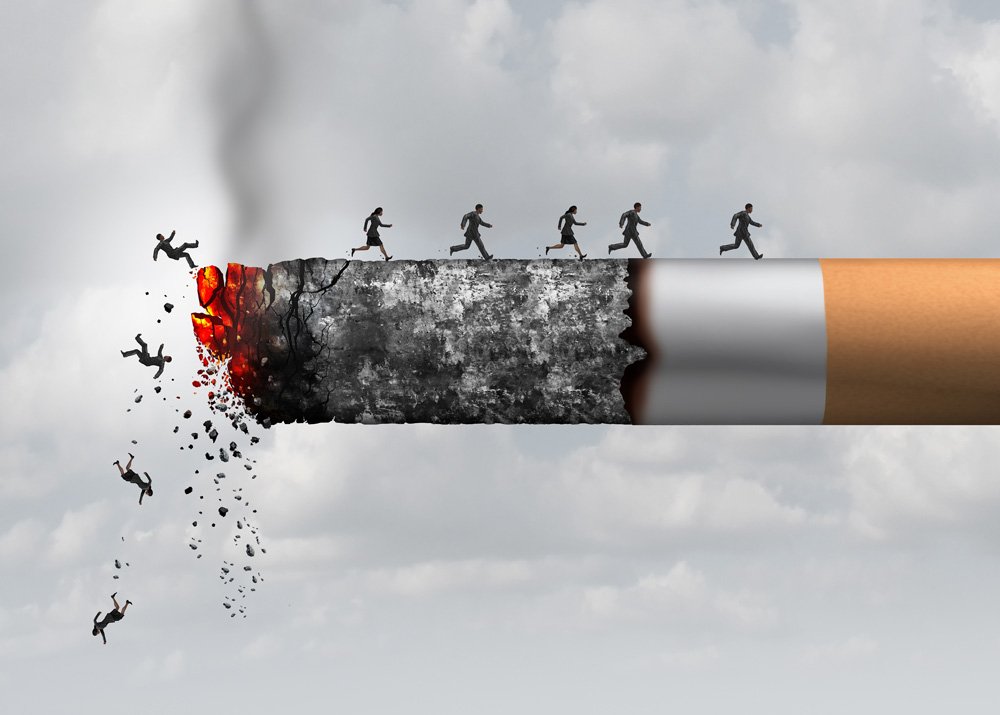
Relationships thrive on trust, open communication, and shared experiences. However, when an invisible barrier like tobacco or substance dependence enters the home, it can create significant strain. Whether you are navigating the complexities of smoking or seeking Tobacco Addiction Treatment in Udaipur, understanding the impact on your loved ones is the first step toward healing. Addiction often acts as a wedge, replacing intimacy with tension and genuine connection with the cycle of dependency.
The Hidden Strain on Emotional Bonds
Tobacco use often creates a silent divide between partners. Beyond the well-documented physical health risks, the habit frequently leads to lifestyle friction. Non-smoking partners may feel neglected when a loved one prioritizes smoke breaks over shared moments, or they may harbor resentment regarding the health consequences of secondhand smoke. When trust is eroded by hidden habits or broken promises to quit, the foundation of a healthy partnership begins to weaken. Emotional distance often grows as the smoker withdraws into their habit, leaving the other person feeling isolated and unsupported.
When Habits Become a Household Crisis
The ripple effects of substance dependency extend far beyond the individual user. Families often experience a shift in dynamics where roles are reversed and daily routines become unpredictable. If you are searching for a reliable Udaipur nasha mukti kendra, it is essential to recognize that recovery is a collective journey. Families often struggle to maintain a sense of normalcy, frequently adopting unhealthy coping mechanisms like enabling behavior or social isolation to manage the stress. This cycle of tension can be overwhelming, but recognizing these patterns is critical to breaking the cycle and restoring family unity.
Breaking the Cycle of Addiction
Professional intervention is often the most effective way to address the deep-rooted issues caused by dependency. Comprehensive Drug Addiction Treatment in Udaipur focuses not only on the individual but also on repairing the damage done to interpersonal relationships. Through counseling, behavioral therapy, and emotional support, individuals can learn to manage cravings and rebuild the trust that was previously lost. Recovery is not merely about stopping a substance; it is about reclaiming the ability to be present, responsible, and engaged in the lives of those who matter most.
- Open Communication: Creating a safe space where partners can express concerns without judgment reduces the urge to hide habits.
- Setting Healthy Boundaries: Establishing clear expectations regarding substance use in shared spaces protects the well-being of all family members.
- Professional Guidance: Expert support provides the tools necessary to navigate withdrawal and the emotional fluctuations that often occur during the early stages of recovery.
- Shared Goals: Working together toward a smoke-free or sober life reinforces the bond between partners and provides a unified purpose.
Moving Toward a Healthier Future
The path to recovery requires patience, honesty, and a commitment to change. When family members support the journey, the likelihood of long-term success increases significantly. By addressing the root causes of dependency, couples and families can begin to dismantle the invisible barriers that have caused distance and pain. Rebuilding a relationship after the strain of addiction is entirely possible with the right resources and a collective effort to foster a healthier, more transparent environment. Every step taken toward sobriety is a step toward strengthening the ties that hold a family together, allowing for renewed connection, shared happiness, and a future free from the shadow of addiction.