
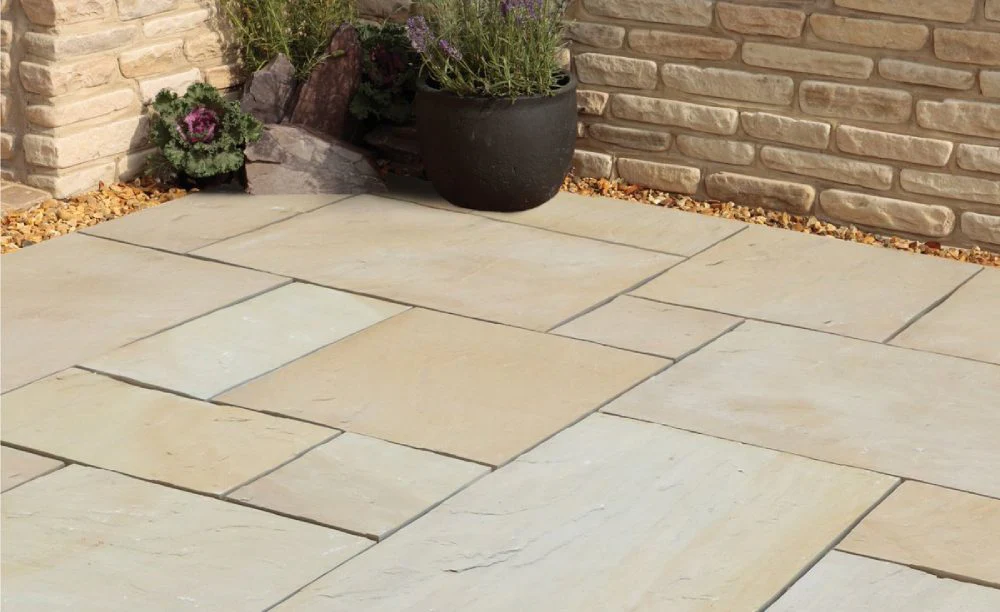
Outdoor flooring plays a defining role in how a space looks, feels, and performs over time. From residential patios to large commercial landscapes, homeowners, architects, and builders consistently gravitate toward sandstone because of its durability, natural aesthetics, and long-term value. As a material sourced and processed through generations of stone craftsmanship, sandstone has proven its worth across climates and design styles. In regions known for premium stone resources, such as India, access to high-quality materials like natural stone blocks in india further strengthens sandstone’s reputation as a reliable outdoor flooring solution.
Natural Beauty That Enhances Outdoor Spaces
One of the strongest reasons sandstone remains a preferred outdoor flooring material is its organic appearance. Each slab carries unique textures, grain patterns, and subtle color variations that cannot be replicated by manufactured alternatives. This natural variation adds depth and warmth to outdoor spaces, making pathways, pool decks, garden patios, and courtyards visually inviting. Sandstone blends effortlessly with surrounding landscapes, whether used in modern minimalist designs or traditional architectural settings. Its earthy tones complement greenery, water features, and open skies, creating a seamless connection between built and natural environments.
Durability That Withstands Harsh Conditions
Outdoor flooring materials must endure constant exposure to sunlight, rain, temperature fluctuations, and foot traffic. Sandstone performs exceptionally well under these conditions due to its dense composition and natural strength. When properly quarried and processed, sandstone resists cracking, warping, and surface erosion over time. This durability makes it suitable for both residential and commercial outdoor projects, including walkways, driveways, and public plazas. Many contractors prefer working with a trusted Sandstone supplier in india to ensure consistent quality, structural integrity, and long-term performance for outdoor installations.
Slip Resistance and Safety Benefits
Safety is a critical factor when selecting outdoor flooring, especially in areas exposed to moisture. Sandstone naturally offers a textured surface that provides excellent slip resistance compared to polished stones or tiles. This quality makes it an ideal choice for pool surrounds, garden steps, and outdoor seating areas. Even during monsoon seasons or in humid climates, sandstone maintains a firm grip underfoot, reducing the risk of slips and falls. Its safety advantages make it a practical option for family homes, resorts, and public outdoor spaces alike.
Thermal Comfort for Everyday Use
Another reason sandstone is widely used for outdoor flooring is its thermal efficiency. Unlike some stone or concrete surfaces that become uncomfortably hot under direct sunlight, sandstone remains relatively cool. This characteristic enhances comfort, allowing people to walk barefoot on patios or pool decks without discomfort. In warm climates, this cooling effect significantly improves usability and overall outdoor living experiences, making sandstone a functional as well as aesthetic choice.
Versatility in Design and Applications
Sandstone’s adaptability allows it to be used across a wide range of outdoor applications. It can be cut into slabs, tiles, cobbles, or custom shapes to suit different design requirements. From rustic garden paths to refined outdoor dining areas, sandstone accommodates both traditional and contemporary layouts. Color options range from subtle beige and grey to more expressive blends, including materials sourced from a Rainbow Sandstone supplier in india, which offers vibrant tones ideal for statement outdoor designs. This versatility empowers designers to create unique spaces without compromising on material reliability.
Low Maintenance and Long-Term Value
Outdoor flooring should be easy to maintain while retaining its appearance over time. Sandstone requires minimal upkeep, typically involving periodic cleaning and occasional sealing to protect against staining. Its natural resistance to weathering ensures that it ages gracefully, developing character rather than deterioration. Compared to synthetic alternatives that may fade, chip, or require frequent replacement, sandstone offers excellent long-term value. This balance of beauty, performance, and maintenance efficiency contributes to its enduring popularity.
Environmentally Responsible Material Choice
Sustainability is increasingly influencing material selection in construction and landscaping projects. Sandstone is a natural material that requires minimal chemical processing, reducing its environmental impact. When sourced responsibly, it aligns with eco-conscious building practices. Its longevity further supports sustainability by reducing the need for frequent replacements, conserving resources over time. For clients seeking environmentally responsible outdoor flooring, sandstone stands out as a sensible and ethical option.
A Trusted Choice Backed by Experience and Expertise
Sandstone’s widespread use in outdoor flooring is not a trend but a result of centuries of proven performance. From historic structures to modern developments, its reliability is well documented. Experienced exporters and stone processors bring expertise in quarrying, grading, and finishing, ensuring that each piece meets international standards. This combination of experience, material knowledge, and quality control builds confidence among buyers, reinforcing sandstone’s status as a trusted outdoor flooring material.
Conclusion
Sandstone continues to be a popular choice for outdoor flooring because it offers a rare combination of natural beauty, durability, safety, and sustainability. Its ability to adapt to different climates and design needs makes it suitable for a wide range of projects, from private residences to large-scale developments. When sourced and supplied with expertise, sandstone delivers lasting value and visual appeal, making it an investment that enhances outdoor spaces for years to come.