
Nestled in the Pali district of Rajasthan, the Jawai Leopard Reserve represents one of the most distinctive wildlife ecosystems in India. Unlike conventional national parks defined by rigid boundary walls and restricted core zones, Jawai is an open landscape characterized by billion-year-old granite hills, sprawling scrublands, and the shimmering backwaters of the Jawai Dam. Here, Indian leopards roam freely alongside the indigenous Rabari pastoral community, creating a remarkable model of peaceful human-wildlife coexistence. Because the terrain is rugged, vast, and deeply intertwined with local rural life, where you choose to stay fundamentally shapes your entire wilderness experience. Booking a dedicated resort in Jawai is not merely a matter of convenience; it is an essential component for experiencing this landscape safely, authentically, and comfortably.
Unmatched Proximity to Active Leopard Territories
Wildlife tracking in Jawai operates on an entirely different rhythm than in fenced reserves. Leopards here are largely nocturnal and crepuscular, emerging onto the craggy granite outcrops at dawn and dusk to survey their territory or bask in the fading light. Staying far from the rocky hills requires long, exhausting commutes before sunrise, cutting directly into prime tracking hours. A specialized jungle property situated near the Jawai Dam backwaters and granite formations—such as The Jawai Sagar in Village Sena—places travelers within minutes of active leopard habitats. This immediate access ensures that guests arrive at key vantage points while the morning mist still clings to the boulders, maximizing both photographic opportunities and undisturbed observation.
Local Expertise and Ethical Wildlife Tracking
Navigating Jawai’s labyrinth of granite caves, dry riverbeds, and grazing trails requires specialized local knowledge that standard tour operators simply cannot replicate. Reputable jungle resorts collaborate directly with seasoned trackers and naturalists who have spent years studying the behavioral patterns of resident leopards. When embarking on a guided leopard safari in Jawai, experienced trackers interpret subtle ecological cues—such as langur alarm calls, fresh pugmarks in sandy nullahs, and seasonal water availability—to locate wildlife without causing stress to the animals. Furthermore, ethical wilderness properties enforce strict conservation protocols:
- Limiting vehicle congestion around sightings to prevent behavioral disruption
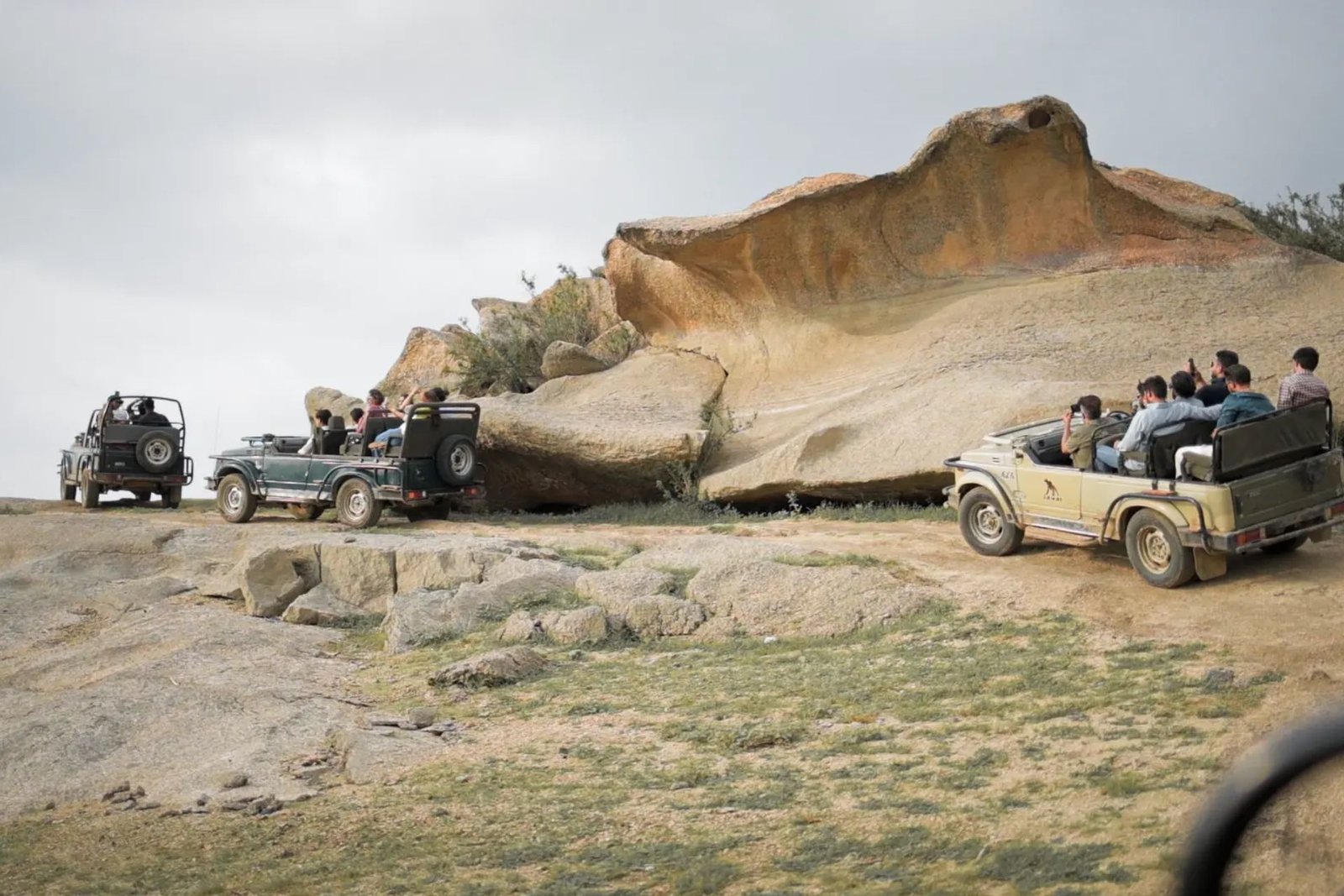
- Utilizing customized open-top four-wheel-drive vehicles suited for steep granite inclines
- Coordinating directly with local Rabari herders to monitor recent wildlife movements
- Educating guests on respectful wildlife etiquette and regional biodiversity
Holistic Immersion Beyond the Game Drive
While big cat sightings draw travelers from across the globe, Jawai’s ecological richness extends far beyond its apex predators. The wetlands surrounding Jawai Dam attract thousands of migratory birds during the winter months, including bar-headed geese, greater flamingos, sarus cranes, and various raptors, alongside mugger crocodiles basking along the shoreline. A well-situated jungle resort serves as an all-encompassing basecamp that connects guests with these diverse facets of the region. Between morning and evening drives, travelers can engage in guided birdwatching walks, cycling trails through rural villages, cultural interactions with Rabari shepherds, and open-air dining under clear desert skies.
Comfort and Restoration in a Rugged Environment
Exploring rocky outcrops in open vehicles under Rajasthan’s fluctuating temperatures—which range from crisp winter mornings to warm afternoons—is physically demanding. Returning to a thoughtfully designed sanctuary allows travelers to decompress and recharge between excursions. Choosing the best accommodation in Jawai ensures access to spacious living quarters, panoramic views of the dam backwaters, fresh regional cuisine, and tranquil outdoor spaces where the sounds of nature remain uninterrupted. At properties like The Jawai Sagar, features such as large glass-walled rooms, private balconies overlooking the granite hills, and locally inspired meals bridge the gap between raw wilderness adventure and restorative hospitality.
Supporting Sustainable Community Conservation
Perhaps the most compelling reason to choose an established jungle resort in Jawai is its direct contribution to the local conservation economy. Because Jawai is not a government-administered tiger reserve, the protection of its wildlife relies heavily on community goodwill and responsible ecotourism. Locally rooted resorts generate sustainable employment for village youth as drivers, naturalists, and hospitality staff, while sourcing fresh produce from surrounding farms. By staying at a dedicated wilderness property, travelers directly incentivize habitat preservation and reinforce the centuries-old harmony between Jawai’s human residents and its remarkable leopard population.