
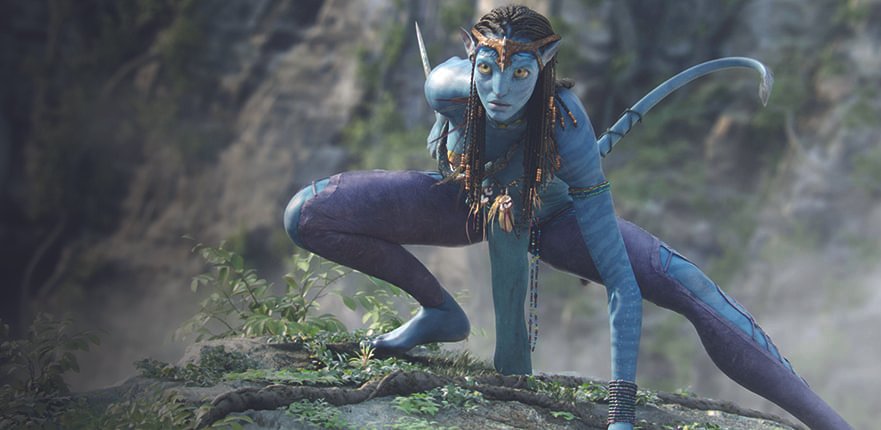
The global media landscape is undergoing a massive transformation, driven by an insatiable appetite for high-fidelity visual storytelling. From blockbuster cinema and episodic streaming content to interactive video games and commercial production, visual effects have evolved from an auxiliary post-production tool into the foundational spine of modern filmmaking. For aspiring creative technologists and digital artists, choosing the right academic and practical path is paramount. This guide examines the essential facets of pursuing a professional undergraduate degree in visual effects, highlighting industry workflows, technical competencies, and the practical infrastructure necessary to build a sustainable career.
Understanding the Scope of Modern Visual Effects and Cinematic Production
Visual effects (VFX) encompass the seamless integration of live-action footage with computer-generated imagery (CGI) to construct realistic environments, dynamic simulations, and digital characters that would otherwise be dangerous, expensive, or physically impossible to capture on camera. A formal undergraduate degree bridges the gap between artistic intuition and engineering precision. Modern production pipelines demand that artists understand not only the software interfaces but also the underlying physics of light, lens optics, and compositional color harmony.
By studying filmmaking alongside visual effects, students develop a holistic perspective on visual storytelling. This dual focus ensures that an artist understands how decisions made during pre-production, cinematography, and production directly dictate the complexity, feasibility, and quality of post-production execution.
Core Technical Competencies and Industry Software
A structured academic curriculum delivers progressive mastery across specialized disciplines, moving from foundational design principles to advanced production pipelines.
- Digital Compositing: Utilizing node-based industry standards such as Foundry Nuke and Blackmagic Fusion to integrate CGI layers, matte paintings, and live-action plates with precise attention to color spaces, edge quality, and depth cue consistency.
- 3D Modeling and Texturing: Developing asset-creation proficiency in Autodesk Maya, 3ds Max, and ZBrush, alongside physical-based rendering (PBR) texturing via Substance 3D Painter.
- Matchmoving and Camera Tracking: Reconstructing physical camera focal lengths, sensor distortions, and three-dimensional movements in virtual space using PFTrack or 3DEqualizer to allow digital assets to interact flawlessly with physical sets.
- Rotoscopy and Clean-up: Mastering the intricate extraction of dynamic live-action elements via Silhouette and Mocha, alongside digital reconstruction of obscured backgrounds.
- FX Dynamic Simulation: Simulating photorealistic organic and physical elements—such as fluid dynamics, rigid body fractures, particle systems, pyro, and atmospheric smoke—primarily driven by SideFX Houdini.
Real-World Production Pipelines and Hands-On Studio Experience
Theoretical knowledge alone is insufficient in high-stakes studio environments. A professional bachelor program prioritizes studio-simulated workflows where students participate in collaborative, multi-tiered team structures mirroring international production houses. This immersion exposes candidates to production milestones, asset management, iterative critique, and strict delivery deadlines.
Students learn the critical importance of on-set visual effects supervision. Capturing precise lighting reference data using chrome and gray balls, measuring camera heights, mapping lens distortion grids, and recording HDRI environment maps are essential practices that simplify post-production execution. Enrolling in a comprehensive B.Voc VFX film making degree in Udaipur provides local students with structured academic training paired with practical studio exposure, eliminating the traditional divide between classroom theory and commercial studio pipelines.
Mentorship, Portfolio Curation, and Career Pathways
In the creative media industry, a candidate’s portfolio and showreel serve as the primary currency for employment. Academic institutions must provide experienced mentorship from working industry practitioners who understand prevailing market demands and technical benchmarks.
Graduates equipped with an industry-vetted portfolio can target diverse roles across the global entertainment spectrum:
- Compositing Artist: Integrating all visual components to deliver photorealistic final shots for film or television.
- Lighting and Look Development Artist: Simulating accurate illumination schemes and surface reflectance properties to ensure virtual assets fit their intended environment.
- FX Technical Director (TD): Scripting and orchestrating complex procedural visual simulations.
- Asset and Environment Artist: Designing architectural sets, hard-surface props, and vast digital backdrops.
- Previsualization (Previs) Artist: Constructing rough 3D cinematic layouts to help film directors visualize camera angles and narrative timing prior to principal photography.
Studying under an established animation academy in Udaipur offers students the institutional support, hardware labs, and certified mentorship required to refine their showreels to international standards. When selecting an educational institution, aspiring artists should evaluate campus computing infrastructure, faculty production credentials, historical placement track records, and dedicated studio ties. A well-rounded degree program prepares creators not only to secure entry-level employment but also to adapt continuously as real-time engines, virtual production, and emerging computational rendering tools reshape the future of film production.