
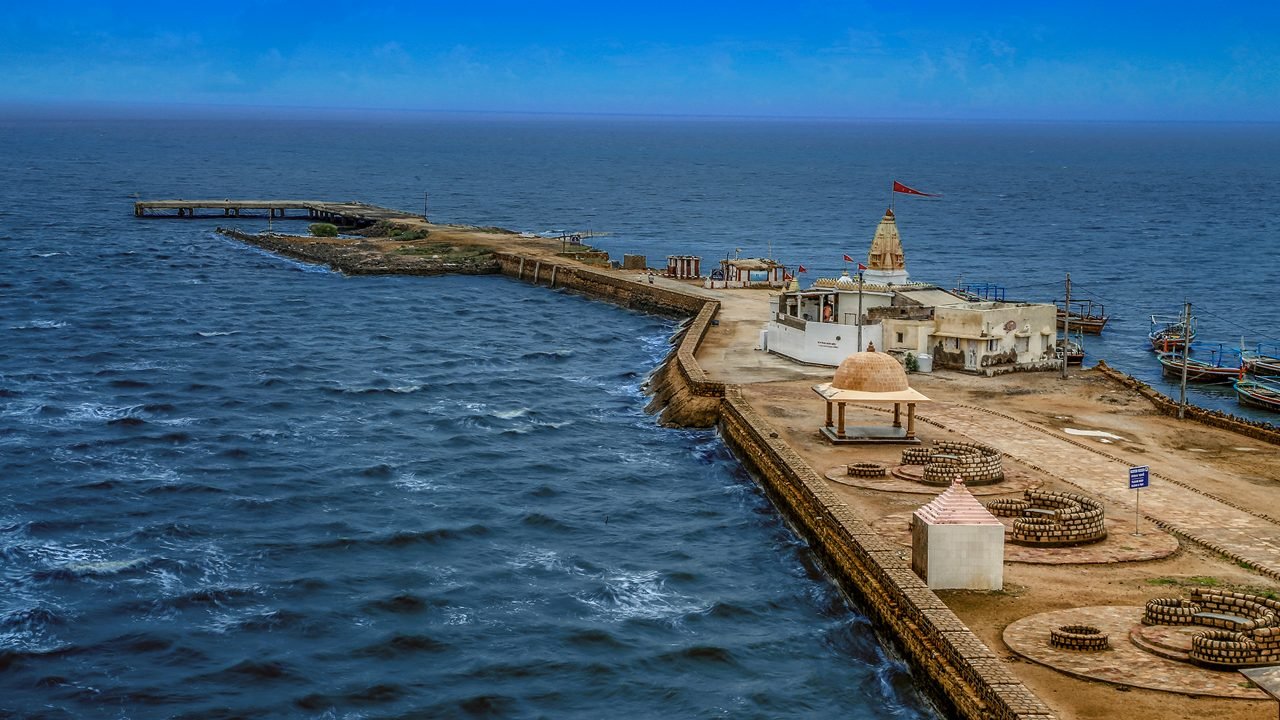
Kutch presents one of the most geographically diverse and culturally compelling terrains in Western India. Spanning stark white salt flats, ancient Harappan ruins, royal coastal enclaves, and generational artisan settlements, this district offers an unmatched expedition across Gujarat’s vibrant landscape. Proper planning requires balanced transit times, verified permit details, and curated routes to navigate this vast arid borderland comfortably. For travelers entering via the state capital’s international transit corridors, starting or concluding your journey at top-tier luxury hotels in Gandhinagar provides the ideal base of modern hospitality before venturing westward.
Essential Places to Visit in Kutch
The Great Rann of Kutch (Dhordo)
The vast white salt desert stands as the centerpiece of regional tourism. Submerged during the monsoons, the sea water recedes by late October, leaving a thick, blindingly white crust of crystallized mineral salt that stretches uninterrupted toward the horizon. Sunset transforms the expanse into reflective pastels, while full moon nights illuminate the plain with an ethereal glow. Visitors must obtain an official border permit at the Bhirandiyara checkpoint or online prior to entering the restricted desert zone.
Kalo Dungar (The Black Hill)
Standing at 462 meters above sea level, Kalo Dungar marks the highest geographic elevation in Kutch. From the summit, panoramic views encompass the stark contrast between the desert salt floor and the horizon bordering Pakistan. The peak houses the 400-year-old Dattatreya Temple, known for its centuries-old ritual where priests offer Prasad to wild jackals after daily prayers.
Dholavira and the Road to Heaven
Situated on Khadir Bet island, Dholavira is a UNESCO World Heritage Site chronicling 4,500 years of Indus Valley civilization history. The excavated settlement exhibits remarkable urban planning, stone architecture, and massive subterranean stormwater reservoirs. The journey to the site crosses the renowned Road to Heaven, a 30-kilometer paved highway cutting straight across the glittering white desert with shimmering salt plains flanking both sides.
Royal Enclaves and Heritage of Bhuj
Bhuj functions as the administrative and cultural gateway to Kutch. The city features Prag Mahal, an ornate 19th-century Italian Gothic palace built from local sandstone, and the adjoining Aina Mahal, celebrated for its mirrored Venetian halls and royal artifacts. On Bhujiyo Hill, the modern Smritivan Earthquake Memorial pays poignant tribute to the resilient spirit of the region following the 2001 seismic event.
Coastal Mandvi and Vijay Vilas Palace
Once a thriving maritime shipyard, Mandvi retains its historic dhow-building craft along the Rukmavati River docks. Nearby stands Vijay Vilas Palace, an impressive red sandstone heritage retreat constructed in 1929 displaying Rajput jaali stonework and sprawling coastal gardens. The adjacent private beach provides a tranquil coastal wind-down from the desert heat.
Artisan Villages: Nirona and Bhujodi
Kutch preserves some of India’s most prized craft traditions. Nirona is home to the exclusive Khatri family masters of Rogan art—castor oil paint applied meticulously with a metal stylus—as well as bell-makers and lacquer woodworkers. Bhujodi serves as the central hub for Vankar weavers producing geometric wool shawls and natural Ajrakh block printers.
Curated 4-Day Kutch Sightseeing Plan
Day 1: Heritage Exploration in Bhuj and Artisan Villages
Begin early in Bhuj with morning visits to Prag Mahal and Aina Mahal. Spend midday touring the Kutch Museum to examine ancient Kshatrapa inscriptions and indigenous embroidery styles. By early afternoon, take the 35-minute drive northwest to Nirona to witness traditional Rogan painting firsthand. Return toward Bhuj to visit the Hira Laxmi Craft Park in Bhujodi before concluding the evening with sunset views at the Smritivan Memorial.
Day 2: The Great Rann of Kutch and Kalo Dungar
Depart Bhuj toward the northern desert circuit. Stop at Bhirandiyara to verify border permits and sample traditional fresh mawa sweets. Check into your desert resort or bhoonga stay in Dhordo or Hodka by midday. In the early afternoon, ascend Kalo Dungar for wide vantage points over the salt plains. Descend by 4:30 PM to reach the White Rann entry point, walking out onto the salt crust to experience the desert sunset and twilight horizon.
Day 3: Crossing the Road to Heaven to Ancient Dholavira
Embark on an early morning drive toward Khadir Bet along the scenic Road to Heaven. Spend approximately three hours exploring the Harappan archaeological site with an accredited local guide who can interpret the complex citadel layout, stepwells, and ancient burial grounds. Stop at the nearby Dholavira Fossil Park to inspect petrified wood specimens dating back millions of years before returning to Bhuj for the evening.
Day 4: Maritime Mandvi and Coastal Relaxation
Drive south from Bhuj toward the Arabian Sea coast (approximately 60 km). Visit the active wooden shipbuilding yards along the riverbanks to observe craftsmen assembling ocean-going cargo vessels using ancestral techniques. Continue to Vijay Vilas Palace to climb its domed terraces overlooking the water. Spend the final afternoon unwinding on Mandvi Beach before concluding your circuit.
Practical Travel and Dining Tips
The optimal travel window spans from October through early March when daytime temperatures remain temperate and winter desert visibility peaks. Private vehicles or hired taxis remain the most practical mode of transit across remote desert legs. After returning from rural Kutch, you can transition back into urban Gujarat by savoring elevated regional thalis and multi-cuisine culinary spreads at the Best restaurants in Gandhinagar. Authentic regional exploration requires staying hydrated, respecting village artisan workshops, and carrying physical government identification documents at all times for border checkpoint verifications.