
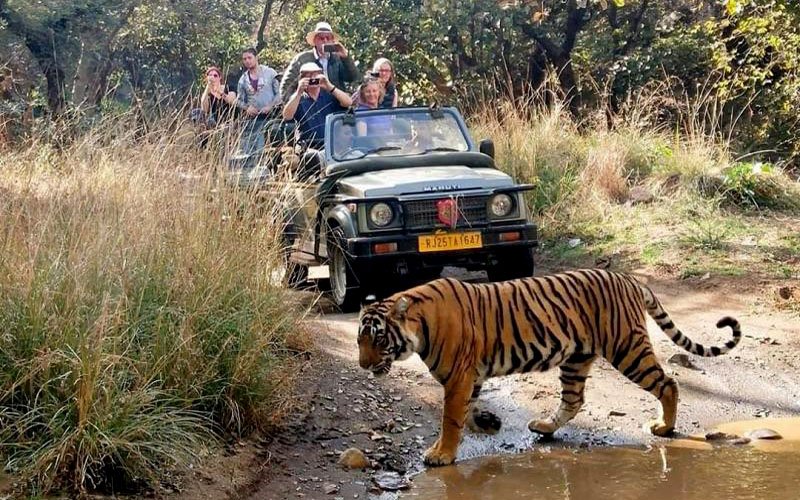
When families plan a journey across the vibrant state of Rajasthan, visions of grand forts, bustling bazaars, and sweeping desert sands often dominate the itinerary. However, for parents seeking a captivating blend of natural beauty, heritage, and wilderness encounters, Rajasthan’s national parks offer world-class ecological adventures. Among the state’s various protected reserves—including Sariska Tiger Reserve, Keoladeo National Park in Bharatpur, and Mukundra Hills—one destination stands head and shoulders above the rest for family travel: Ranthambore National Park.
Nestled between the ancient Aravalli and Vindhya mountain ranges in the Sawai Madhopur district, Ranthambore is globally celebrated as India’s premier tiger reserve. Offering an ideal balance of high predator density, historic ruins, diverse child-friendly safari options, and well-equipped luxury accommodations, Ranthambore delivers an unmatched wilderness holiday for family members across generations.
Why Ranthambore Outshines Other Rajasthan Sanctuaries for Families
While Rajasthan houses multiple wildlife habitats, Ranthambore possesses unique geographical and biological characteristics that make it uniquely suited for family vacations.
1. High Tiger Density and Daytime Sightings
Unlike dense tropical rainforests where predators remain concealed in thick underbrush, Ranthambore’s dry deciduous dhok forests and open scrubland provide extraordinary visibility. Royal Bengal tigers here are active during daylight hours and habituated to safari vehicles. This gives children and adults alike a high statistical probability of observing wild tigers resting, drinking near forest lakes, or walking alongside forest tracks.
2. Rich Biodiversity Beyond Big Cats
While tigers are the primary attraction, the park’s diverse ecosystems host over 40 mammal species, 35 reptile species, and more than 320 resident and migratory bird species. Younger travelers remain engaged throughout the drive spotting sloth bears, leopards, marsh crocodiles, caracals, striped hyenas, sambar deer, chital, nilgai, and vibrant avian life such as red-headed vultures, kingfishers, and painted storks.
3. Historical Heritage Inside the Wilderness
Ranthambore is one of the few national parks in the world where ancient history and raw wilderness meet. Looming over the forest canopy is the 10th-century Ranthambore Fort, a UNESCO World Heritage Site. Passing by ancient stone gateways, historic temples, and overgrown stepwells like Padam Talao and Jogi Mahal introduces an intriguing, educational element that sparks children’s imaginations.
Choosing the Ideal Safari Vehicle: Jeep vs. Canter for Families
Selecting the right vehicle type is essential for ensuring comfort and safety when traveling with young children or senior family members. The Rajasthan Forest Department operates two distinct motorized safari vehicles across the park’s designated zones:
6-Seater Open-Top Gypsies
For families desiring an intimate, quiet, and flexible jungle excursion, booking a jeep safari in Ranthambore is considered the gold standard. The maneuverable 6-seater Gypsy navigates narrow forest routes, produces minimal noise, and allows your group to move at a comfortable pace tailored to your family’s specific interests.
20-Seater Open Canters
Canters are larger 20-seater open-air vehicles operating on main park thoroughfares. They offer an economical alternative for larger family reunions or budget-conscious travelers. The elevated seating height provides broad panoramic views over tall grasslands and scrub vegetation.
Planning Your Family Stay and Safari Booking
Proper advance planning ensures a seamless, stress-free family expedition. Ranthambore National Park is divided into 10 safari zones. Zones 1 through 5 represent the central core with historic lakes and high tiger activity, while Zones 6 through 10 feature scenic ravines, rolling hills, and abundant bird species.
Proximity to Safari Entry Gates
Morning safaris depart near sunrise. Residing close to the park entrance gates minimizes early morning commute times, allowing children to sleep comfortably before embarking into the forest. Choosing a guest-focused property such as Ranthambore Tiger Resort – Resort in Ranthambore places your family just minutes from main gates while offering child-friendly amenities, spacious air-conditioned tents, lush green lawns, and experienced local naturalists.
Budget Transparency and Advance Reservations
Safari permits are strictly regulated by government authorities and open for online booking up to 90 days prior to travel. Reviewing the detailed Ranthambore safari tariff in advance helps families outline their travel budget, compare vehicle options, and lock in preferred dates without unexpected surcharges.
Expert Practical Tips for Families Visiting Ranthambore
- Optimal Visiting Months: The park is open from October to June. The winter months from November to March offer pleasant daytime temperatures ideal for kids, whereas April to June provides maximum tiger visibility around shrinking water holes.
- Dress in Layers: Dawn drives can be chilly, while midday sun brings warmth. Wear earth-toned layered clothing, sun hats, and protective eyewear.
- Pack Jungle Essentials: Carry binoculars, drinking water, camera equipment, and light snacks for children to enjoy before entering or after exiting park checkpoints.
- Practice Forest Etiquette: Brief children before the drive on remaining seated inside the vehicle, keeping voice levels subdued, and refraining from littering to safeguard wildlife habitats.
Conclusion: Creating Lasting Family Memories
When evaluating which wildlife safari in Rajasthan offers the safest, most educational, and most exhilarating experience for family travel, Ranthambore National Park emerges as the clear choice. With its majestic Bengal tigers, ancient historic architecture, diverse wildlife, and comfortable family-friendly accommodations, Ranthambore guarantees an unforgettable jungle adventure for travelers of all ages.