
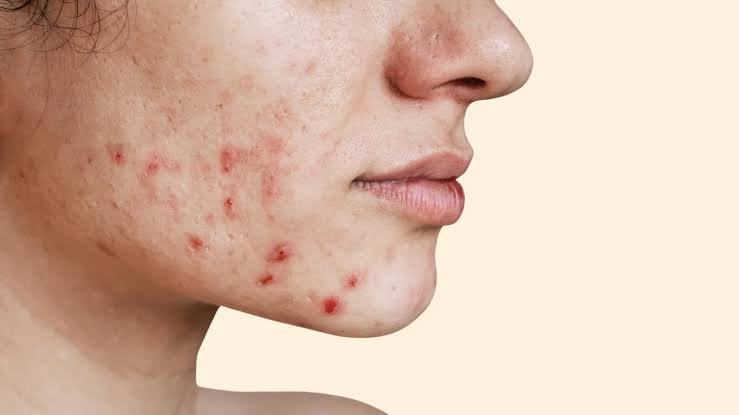
Severe and persistent facial acne can feel like a relentless battle. For many individuals, topical cleansers, prescription creams, and oral medications only go so far. When deep-seated cystic lesions, painful inflammatory breakouts, and stubborn post-acne scarring persist, advanced clinical technology becomes essential. Clinical laser and light-based therapies offer a targeted, science-backed approach to restoring clear, healthy skin. At Rania Aesthetic Studio, clinical care combines state-of-the-art dermatological technology with personalized treatment plans to treat active breakouts and repair skin structure.
Understanding How Laser Therapy Targets Acne
To appreciate why laser treatments are effective, it helps to understand the four primary factors that trigger acne flare-ups: excess sebum (oil) production, clogged pores, overgrowth of Cutibacterium acnes (C. acnes) bacteria, and localized inflammation. Standard skincare products primarily work on the surface layer of the skin. In contrast, targeted medical lasers penetrate deep into the dermal layers where acne originates.
Laser energy operates through two primary mechanisms:
- Photothermal Regulation of Sebaceous Glands: Controlled thermal energy delivered to the dermis shrinks overactive oil glands. Reducing excess sebum production deprives acne-causing bacteria of their primary nourishment source.
- Targeted Photodynamic Destruction of Bacteria: Specific wavelengths of light generate reactive oxygen species that destroy C. acnes bacteria inside clogged pores without damaging the surrounding healthy tissue.
By addressing oil production and bacterial growth simultaneously, laser therapy breaks the cycle of recurrent breakouts and creates a healthier dermal environment.
Key Types of Lasers Used for Facial Acne and Scars
Not all facial acne is identical, and different skin types require specialized wavelengths. Clinical practitioners select specific devices based on whether the primary concern is active inflammation, post-inflammatory hyperpigmentation (dark spots), or textured atrophic scarring.
Intense Pulsed Light (IPL) & Photodynamic Therapy
IPL utilizes broad-spectrum light pulses coupled with gentle suction or light-sensitizing agents to clear surface congestion. It targets the vascular redness associated with active pimples while constricting dilated capillaries, significantly reducing diffuse facial flushing.
Nd:YAG and Diode Lasers
Long-pulse Nd:YAG and specialized diode lasers penetrate deep into the dermal layer. These wavelengths effectively heat deeper tissues, killing bacteria and suppressing overactive sebaceous activity while remaining safe across diverse skin tones.
Fractional CO2 and Erbium:YAG Lasers
For individuals dealing with structural acne scars—such as icepick, boxcar, or rolling scars—fractional resurfacing lasers represent the gold standard. Microscopic laser columns create controlled micro-injuries in the skin tissue. This process triggers the body’s natural wound-healing cascade, stimulating fresh collagen and elastin synthesis to remodel and smooth uneven skin texture over time.
What to Expect During a Professional Treatment Plan
Achieving optimal, long-lasting results requires a structured approach guided by experienced clinical specialists.
Comprehensive Skin Analysis
Every successful journey begins with an in-depth dermatological evaluation. Practitioners examine skin barrier integrity, assess acne severity, and review medical history to select the appropriate laser parameters. If you are seeking a specialized laser treatment in sugar land, a customized consultation ensures safety, precision, and maximal efficacy tailored to your unique skin profile.
The Treatment Experience
Before session commencement, the skin is thoroughly cleansed, and a topical numbing cream may be applied for enhanced comfort. During the procedure, protective eyewear is worn while the laser handpiece glides systematically across target areas. Patients typically describe the sensation as a light snap or mild warming sensation. Sessions generally last between 20 to 45 minutes, making them easy to fit into a busy routine.
Post-Care and Recovery
Post-treatment care is crucial for protecting the newly treated skin. Mild redness and slight swelling similar to a light sunburn are common and usually resolve within 24 to 48 hours. Essential post-care steps include:
- Applying broad-spectrum SPF 30+ daily to shield healing skin from UV exposure.
- Using gentle, non-comedogenic cleansers and barrier-repair moisturizers.
- Avoiding harsh chemical exfoliants, retinoids, or heavy sweating for at least 3 to 5 days.
The Science of Long-Term Skin Health
While laser therapy yields noticeable improvements in active inflammation within weeks, cellular remodeling takes time. Clinical studies demonstrate that a series of 3 to 6 sessions spaced several weeks apart delivers progressive and sustained clearing. Over the months following treatment, continued collagen building leads to firmer, smoother, and more resilient skin. Combining laser technology with a consistent home care routine provides a comprehensive strategy to manage major facial acne and maintain a clear, radiant complexion long-term.
This video on Acne Treatment – Fractionated Laser & Light Therapy provides a detailed clinical overview of how fractionated laser technologies work to clear stubborn breakouts and repair acne-scarred skin.