
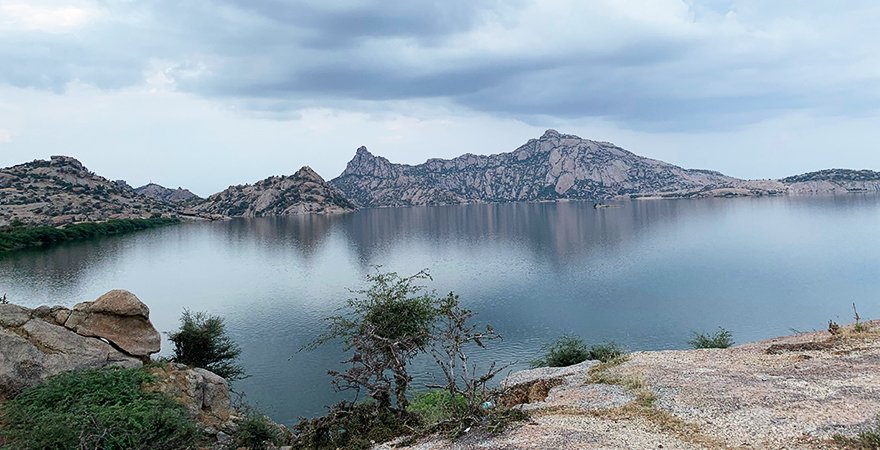
Deep within the rugged, sun-drenched terrain of western Rajasthan lies an extraordinary ecological marvel where ancient granite hills form the backdrop for a unique wildlife story. Jawai Bandh, an area defined by its massive reservoir built across the Jawai River, has steadily evolved into India’s premier destination for observing wild leopards in their natural habitat. Unlike the dense, sprawling deciduous forests of central Indian national parks, this landscape presents an arresting combination of stark rock formations, sandy riverbeds, and scattered thorny scrub. It is a terrain where nature and local communities exist in a state of quiet, historical equilibrium. Planning an expedition here requires specialized insight into the local geography, seasonal behavioral patterns of the resident fauna, and regional logistical nuances. For travelers mapping out their journey, identifying the best resort in Jawai serves as the essential foundational step to ensure both proximity to the prime tracking zones and access to experienced local trackers.
Understanding the Jawai Leopard Ecosystem
The defining characteristic of Jawai is the lack of a formal government-fenced boundary enclosing the wildlife. The big cats roam freely across a mosaic of community lands, revenue forests, and private fields surrounding more than twenty distinct granite hills, locally termed as bhkris. Over generations, these rock structures have developed deep fissures, expansive caves, and natural rock shelters that offer perfect camouflage and thermal regulation for the leopards.
What elevates the scientific and cultural interest of this region is the peaceful coexistence between the apex predators and the indigenous Rabari pastoral community. The Rabaris, traditionally semi-nomadic herdsmen easily recognized by their vibrant red turbans and white attire, revere the leopards as sacred guardians of their local deities. This deep-rooted cultural reverence has effectively eradicated poaching and human-wildlife conflict in the area. The leopards have adapted to the presence of human activity, frequently moving close to villages and livestock enclosures under the cover of night without exhibiting aggressive behavior toward the inhabitants.
Planning Your Photographic Safari
A successful wildlife expedition in this terrain depends entirely on understanding the daily rhythms of the wilderness and utilizing appropriate field techniques. The open, exposed nature of the granite hills means tracking relies heavily on visual scanning rather than listening for alarm calls from prey species, which is the standard practice in dense jungles.
Choosing the Optimal Season
The winter months stretching from October through early April provide the most temperate climate for exploring the rocky landscape. During this phase, morning temperatures can drop significantly, causing the leopards to emerge from their deep rock caves to sun themselves on the flat granite slabs well into the mid-morning hours. As summer approaches from late April to June, temperatures frequently exceed 40 degrees Celsius. While the heat can be intense, it forces the wildlife down toward the receding waters of the reservoir, creating highly predictable tracking opportunities near the water’s edge.
Safari Timing and Mechanics
Field excursions are strictly structured around the peak hours of crepuscular activity. The morning drive typically commences just before dawn as light breaks over the hills, while the afternoon drive continues until twilight fades completely. Utilizing custom-configured 4×4 safari vehicles is mandatory to navigate the steep, sandy inclines and smooth granite faces. Engaging a seasoned Jawai leopard safari tour yields a distinct advantage, as local drivers possess an intimate knowledge of the specific hills favored by individual feline families and understand how to position vehicles safely without disrupting the animals.
Beyond the Big Cats: Avian and Cultural Diversity
While the leopards remain the undisputed primary attraction, the ecosystem created by the construction of the dam supports a massive array of biodiversity that warrants close attention from any naturalist.
- Migratory Bird Watching: The expansive waters of the reservoir turn into a vital wintering ground for thousands of migratory birds between November and February. Large flocks of lesser and greater flamingos, demoiselle cranes, bar-headed geese, pelicans, and various species of storks feed along the shallow marshes, presenting incredible opportunities for avian photography.
- The Rabari Walk: Spending an afternoon walking alongside a Rabari herdsman provides an invaluable cultural perspective. It allows visitors to observe how traditional livestock grazing practices are carefully managed within a landscape populated by large carnivores, offering a living lesson in sustainable conservation.
- Crocodile Spotting: The reservoir is home to a robust population of mugger crocodiles. These reptiles can regularly be seen basking along the rocky shores during the middle of the day when the sun is at its highest.
Essential Logistics and Base Selection
Securing appropriate lodging is a critical element when designing your itinerary. Because the prime wildlife viewing zones are spread across different clusters of hills, choosing centrally located accommodation in Jawai significantly minimizes transit times on the bumpy rural roads before your scheduled drives. Visitors should prioritize properties that employ local naturalist guides, practice responsible waste management, and respect the fragile socio-ecological fabric of the surrounding villages. By preparing properly, choosing expert guiding services, and approaching the landscape with patience, an expedition to Jawai offers a rare look at a wilderness where nature, wildlife, and human heritage remain perfectly intertwined.