
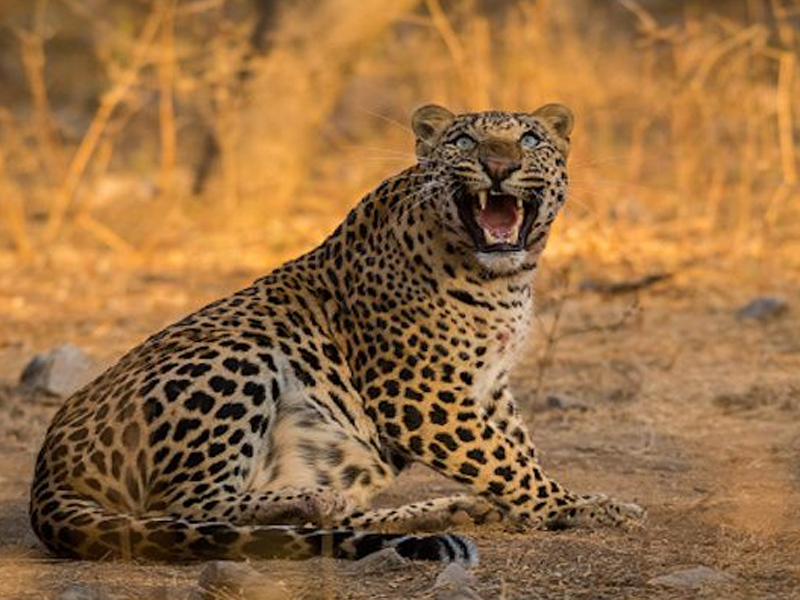
Jawai stands as one of the most enigmatic wilderness destinations in Rajasthan, offering a rare opportunity to witness leopards thriving in a human-dominated landscape. For travelers seeking an immersive wildlife adventure, choosing the right season is crucial to maximize sightings and comfort. If you are looking for the best resort in Jawai, understanding the local climate is the first step in crafting an unforgettable itinerary that balances natural beauty with optimal wildlife activity.
The Peak Season: November to February
The winter months represent the gold standard for wildlife tourism in this region. From November through February, the weather is pleasantly cool, with daytime temperatures hovering between 15°C and 25°C. This period is ideal for guests because the thick scrub vegetation begins to thin, making it significantly easier to spot elusive big cats resting on the iconic granite hills. As the mornings are crisp and the evenings are perfect for fireside storytelling, many visitors opt to book comprehensive Jawai Leopard Safari Packages during these months to ensure a seamless experience. The mild climate allows for longer hours in the field without the fatigue often caused by the intense Rajasthani heat.
Understanding Wildlife Behavior Across Seasons
Leopards in this region have adapted to the rugged topography, utilizing the massive rock formations as natural camouflage and dens. During the summer months, from March to June, temperatures can soar beyond 40°C. While this might seem daunting, it is often considered the peak time for dedicated wildlife photographers. The heat forces the animals to seek water sources more frequently, making the area surrounding dams and village reservoirs excellent hubs for photography. A guided Jawai Leopard Safari during the twilight hours of late spring provides the highest probability of seeing mothers with cubs as they venture out to find relief from the sweltering sun.
The Monsoon Magic: July to September
Many travelers overlook the monsoon season, yet it transforms the landscape into a lush, emerald sanctuary. While safari operations may be restricted during heavy rainfall, the post-monsoon period—late September—offers a unique photographic contrast. The granite boulders, wet from the rain, shine with a deep, dark hue against the vibrant greenery, creating a dramatic backdrop for the wildlife. This time of year is excellent for birdwatchers, as the region becomes a hotspot for migratory birds and local fauna alike. The cooler, humid air provides a refreshing departure from the dusty desert norms, though visitors should prioritize staying in locations that offer all-weather comfort.
Navigating Temperature and Wildlife Activity
The erratic nature of the climate necessitates careful planning regarding your daily schedule. During the winter, the morning safari typically begins just before sunrise to catch the cats while they are still active. Conversely, in the hotter months, afternoon and evening drives are preferred. Aligning your trip with these environmental cues is a hallmark of an expert traveler. Regardless of the month you choose, the key to a successful journey lies in remaining patient and keeping a respectful distance from the wildlife. The interaction between the local Rabari tribe and the leopards remains a fascinating cultural study that adds depth to any wildlife tour, regardless of the season.
Tips for a Seamless Wildlife Experience
To ensure your visit is both productive and ethical, always engage with experienced trackers. These local guides possess an intimate knowledge of the terrain and can navigate the granite hills with precision. When preparing for your travel, focus on packing neutral-colored clothing that blends into the rocky environment. Bringing high-quality binoculars and camera gear with good zoom capabilities will significantly enhance your ability to observe the leopards without disturbing their natural rhythm. Since the landscape is largely composed of granite, sturdy walking shoes are essential for any short treks you might take around the base of the hills.
Making the Most of Your Stay
Beyond the safari experience, the region provides a quiet escape from urban chaos. Taking the time to observe the daily life of the villages nestled between the hills allows you to understand how the leopards and human inhabitants coexist. Many luxury accommodations now focus on sustainable tourism, ensuring that your presence supports the local economy and wildlife conservation efforts. By choosing to visit during the shoulder seasons—either just before or just after the peak winter months—you can often enjoy a more private experience with fewer crowds. This quieter atmosphere is often more conducive to spotting the more skittish members of the leopard population, providing a rewarding experience for those who prefer a tranquil pace.
Final Considerations for Your Itinerary
Ultimately, the decision of when to visit depends on your personal tolerance for heat and your specific goals, whether you are primarily there for high-end photography or a relaxing nature retreat. By planning your trip around the specific behaviors of the wildlife and the seasonal changes in the landscape, you can ensure that your visit is timed perfectly. Whether you find yourself watching a leopard sunning itself on a jagged boulder in the middle of winter or catching a glimpse of a cub navigating the monsoon-fed pools, the experience is bound to be a highlight of your travel life. Embrace the unpredictability of the wilderness and prepare for a journey that connects you deeply with the untamed beauty of Rajasthan.